

BUILDING & DEVELOPMENT ADVOCACY
Bringing Industry Expertise to the Table
Effective advocacy starts with informed dialogue. BOWDA works alongside municipalities and community partners to bring industry perspectives to planning, policies, and development across the Bow Valley.

WHAT WE ADVOCATE FOR
Practical Solutions for the Bow Valley
Building in the Bow Valley comes with unique challenges and opportunities. Limited land, environmental considerations, evolving regulations, infrastructure requirements, and growing housing demand all require a thoughtful approach and open communication.
BOWDA works to ensure the collective knowledge and experience of our members helps inform policies, regulations, and long-term planning decisions. We advocate for practical solutions that support strong communities, a healthy economy, responsible development, and a thriving Bow Valley.

Fair and transparent planning processes
Helping to advance decision-making processes that are clear, balanced, evidence-based, and informed by real-world experience.

Strong Communities and Housing Solutions
Supporting policies and planning approaches that help address housing needs, strengthen communities, and maintain the quality of life that makes the Bow Valley unique.
Practical and Responsible Development
Promoting solutions that balance environmental, social, and economic priorities while recognizing the realities of building and development in mountain communities.
Long-Term Infrastructure and Community Resilience
Contributing industry expertise to conversations about infrastructure, climate adaptation, growth, and community resilience to help ensure practical, sustainable, and cost-effective outcomes.
Informed Policy and Planning Decisions
Ensuring industry knowledge and experience are considered in the policies, regulations, standards, and plans that affect our communities.

OUR PRIORITIES
Working on Today's Challenges While Planning for Tomorrow
Our advocacy evolves alongside the needs of our members and the Bow Valley. We actively engage with municipalities, government agencies, and industry partners on issues that have the greatest impact on the building and land development industry.
Because our members are often the first to see how policies, processes, and changes affect projects and business in practice, their experiences help us determine where our attention is needed most.


CREATING COMPLETE COMMUNITITES
Housing & Community Development
Strong communities require more than housing alone. Homes, businesses, schools, parks, trails, infrastructure, community amenities, and opportunities to live, work, learn, recreate, and connect all contribute to the quality of life people value throughout the Bow Valley.
Municipal policies, planning decisions, infrastructure investments, and development processes influence how communities grow, adapt, and meet changing needs over time.
The building and development industry plays an important role in both new community development and redevelopment, contributing housing, infrastructure, and community amenities that support residents, businesses, and future growth. These conversations increasingly involve considerations such as affordability, sustainability, resilience, infrastructure capacity, and long-term community needs.
BOWDA contributes industry expertise and perspectives to conversations that influence:


Housing Supply & Affordability
Livability & Quality of Life
Community Resilience
Economic Vitality
Long-Term Planning
Fiscal Responsibility
Thoughtful Growth
Positive Community Outcomes


PLANNING & DEVELOPMENT FRAMEWORKS
Understanding the Policies That Shape Development
Municipal frameworks play a critical role in guiding community growth, redevelopment, and infrastructure investment across the Bow Valley. From long-range vision plans and land use policies to engineering design standards and technical regulations, these frameworks influence how our mountain communities evolve, function, and respond to changing needs over time.
BOWDA engages proactively in the review and development of these plans, bylaws, policies, and standards. Working alongside municipalities, our members, and community partners, we contribute industry expertise, implementation perspectives, and practical insights throughout policy reviews and planning discussions.
By participating early and constructively in these conversations, BOWDA helps support informed decision-making, effective implementation, and stronger outcomes for both the building and development industry and the communities we help build.
-
Off-site levies are charges collected by municipalities from new development to help fund the infrastructure needed to support community growth, including transportation, water, wastewater, and stormwater management systems.
BOWDA supports the principle that growth should contribute fairly to the infrastructure it requires and advocates for levy frameworks that are transparent, evidence-based, and aligned with legislation.
By promoting clear and fair methodologies for allocating costs and benefits, we help support housing affordability, investment certainty, responsible growth, and the long-term resilience of the Bow Valley’s communities and infrastructure.
-
The Engineering Design & Construction Guidelines (EDCG) establish the technical standards and engineering design requirements for municipal infrastructure, including roads, utilities, and servicing. Because these requirements directly influence project delivery, infrastructure performance, public safety, and long-term maintenance, it is important that they are practical, technically sound, and responsive to local conditions.
These guidelines play a critical role in shaping how infrastructure is planned, designed, constructed, and maintained across the community. BOWDA works with municipalities and industry professionals to support standards that reflect evolving best practices, local conditions, operational requirements, and long-term community objectives. BOWDA advocacy helps ensure standards achieve their intended outcomes while remaining practical, efficient, and effective to implement.
BOWDA supports municipalities during major EDCG reviews and advocates for ongoing dialogue and continuous improvement between formal update cycles. By facilitating the exchange of information between industry and administration, we help identify emerging issues, lessons learned through implementation, opportunities for clarification, and evolving operational needs.
This collaborative feedback process supports well-informed decision-making and helps ensure infrastructure standards continue to deliver long-term value for both the community and the municipality.
-
Land use bylaws establish how land can be used and developed within a municipality, including zoning, permitted uses, density, setbacks, parking requirements, and development standards. They are one of the most important tools municipalities use to shape housing, economic development, neighborhood character, sustainability, and long-term community growth.
The effectiveness of a land use bylaw depends not only on the goals it seeks to achieve, but also on how clearly and predictably those policies can be applied in practice. BOWDA works with municipalities and industry professionals to provide technical expertise, implementation perspectives, and practical feedback that help support well-informed planning decisions.
By fostering dialogue between industry, administration, and the community, we help identify opportunities to align regulatory frameworks with community objectives while supporting efficient processes, investment certainty, and the successful delivery of housing, businesses, and community-serving development.
-
The Utility Master Plan establishes a municipality’s long-term vision for water, wastewater, and related infrastructure that supports homes, businesses, and community growth. The plan plays an important role in shaping housing delivery, economic investment, environmental performance, infrastructure capacity, and long-term community resilience.
Given the significant costs and long planning horizons associated with utility infrastructure, it is important that infrastructure investments are supported by sound data, practical implementation considerations, and a clear understanding of future needs.
BOWDA provides technical expertise and industry feedback on proposed updates, helping municipalities evaluate servicing strategies, infrastructure capacity, growth projections, and funding approaches. By contributing industry perspectives and real-world experience, we help support informed decision-making and infrastructure plans that balance community objectives, long-term sustainability, and responsible growth.
-
The Integrated Transportation Plan (ITP) establishes the long-term vision for transportation throughout the community, including roads, transit, cycling, walking, parking, and future mobility needs. Transportation planning plays a critical role in shaping housing, economic development, accessibility, community connection, environmental sustainability, and the overall quality of life for residents.
The ITP is also closely connected to other municipal planning frameworks, including land use, infrastructure, utilities, and community development.
Because transportation decisions have lasting impacts on growth, investment, mobility, and municipal infrastructure, it is important that policies and projects are informed by both community objectives and practical implementation perspectives to help municipalities evaluate how transportation policies, design standards, and infrastructure investments influence housing delivery, business activity, infrastructure coordination, and long term community resilience.
Through ongoing dialogue with municipalities and interest holders, we advocate for transportation solutions that are practical, cost-effective, and aligned with broader community goals.
-
The Open Spaces & Trails Plan guides the preservation, enhancement, and expansion of parks, recreation areas, natural spaces, and trail networks throughout the community. These spaces contribute to residents’ quality of life, support environmental stewardship, enhance community connectivity, and help preserve the unique character that makes the Bow Valley a desirable place to live, work, and visit.
Open space planning is closely connected to land use, transportation, infrastructure, environmental conservation, and community growth. It is important that decisions consider both long-term community objectives and practical implementation opportunities.
BOWDA contributes industry expertise and development perspectives to help municipalities evaluate how open space, recreation, and environmental goals can be integrated into evolving communities. Through constructive dialogue and technical feedback, we support balanced approaches that enhance community amenities, protect valued natural assets, and contribute to vibrant, connected, and resilient neighbourhoods.
-
Environmental Impact Statements (EIS) evaluate the potential environmental effects of proposed developments and identify measures to avoid, minimize, or mitigate impacts to wildlife, natural areas, water resources, and other environmental features.
BOWDA supports clear, science-based processes that protect the environment while providing transparency and consistency in environmental review. Clear expectations around information requirements, assessment methodologies, and decision-making criteria help support effective environmental stewardship, informed planning decisions, and greater certainty for all parties involved.

OUR MEMBERS
Need to Connect with an Industry Professional?
Browse our Member Directory to connect with experienced builders, developers, contractors, architects, engineers, suppliers, and other professionals serving Canmore, Banff, the MD of Bighorn, and Lake Louise.

ADVOCACY IN ACTION
Turning Expertise Into Better Community Outcomes
Effective advocacy starts long before decisions are made. It requires listening, building relationships, sharing expertise, engaging early in the process, and working collaboratively to identify practical solutions. By bringing together industry experience, technical knowledge, and local perspectives, BOWDA helps inform decisions that shape the future of the Bow Valley
BOWDA works alongside members, municipalities, and community partners to:


Support informed decision-making by contributing technical expertise, practical insights, and real-world implementation experience to municipal plans, policies, bylaws, standards, and initiatives.
Promote transparent, effective, and predictable processes that help communities achieve their objectives while providing clarity and confidence for residents, businesses, and investors.
Build constructive relationships between industry, municipal administration, elected officials, community organizations, and other stakeholders to encourage productive dialogue and better long-term community outcomes.
Advance housing supply and long-term affordability by helping identify practical policy and regulatory approaches that support the delivery of homes for current and future residents.
Support resilient and sustainable communities through volunteer leadership, partnerships, knowledge-sharing, charitable initiatives, and active participation in the local issues and community-building efforts.
Facilitate the exchange of information between industry, decision-makers, and the broader community by sharing timely updates, emerging trends, practical insights, and opportunities for engagement.
Represent local industry perspectives in regional, provincial, and federal discussions when broader policy, regulatory, or infrastructure issues affect the Bow Valley.
COMMITTEE WORK
Where Members Inform Advocacy
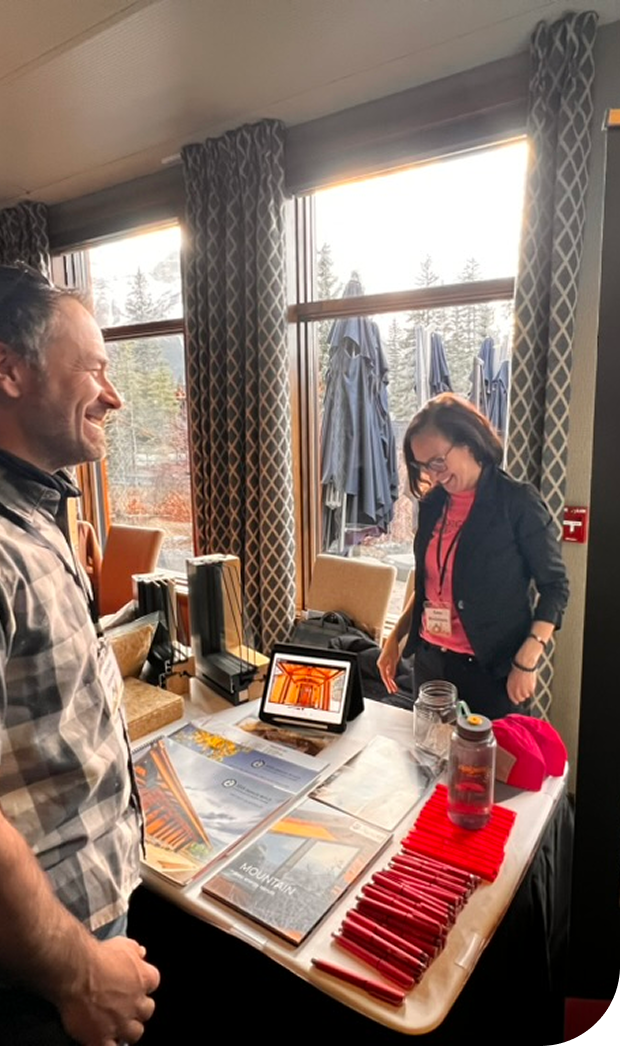
BOWDA’s advocacy is strengthened by the knowledge and experience of members working across every facet of the building and development industry.
Through our member-led committees, professionals with relevant expertise examine emerging issues, review proposed policies and technical requirements, and share insights based on what they’re seeing and experiencing in the field.
From land use bylaws and off-site levies to engineering standards, housing, and sustainability, these perspectives help BOWDA identify priorities, develop informed positions, and bring well-rounded industry feedback to municipalities and decision-makers.
Current committees include:
Governmental Affairs
Land Use Bylaw Sub-Committee
Vital Homes Sub-Committee
Off-Site Levies
Safety & Training
Events & Member Engagement
Sustainability
Engineering Design & Construction Guidelines
Interested in contributing your expertise?
Become a member and add your knowledge and perspective to the work that informs BOWDA’s advocacy.
Ready to Be Part of the Conversation?
Whether you’re looking to share your expertise, stay informed, build relationships, or contribute to the future of the Bow Valley, BOWDA offers opportunities to connect, participate, and make a meaningful impact.